


Outdoor Learning in the Spark Garden: Growing Confidence, Responsibility & Life Skills
At Spark Vale Academy, we believe that learning should be purposeful, practical and connected to real life. The development of the Spark Garden has given pupils a meaningful outdoor learning space where they can care for living things, build confidence, develop responsibility and contribute to their school environment.
The Spark Garden began with small steps. Pupils planted an apple tree, grew potatoes and started growing strawberries, sunflowers and petunias. Each pupil also planted a house plant and learned how to care for it. Over time, the garden has grown into a space where pupils can take responsibility, observe change, develop patience and experience the rewards of nurturing something over time.
For many pupils with SEND, gardening is about much more than planting seeds. It supports communication, regulation, responsibility, sensory engagement, teamwork, independence and Personal Development.
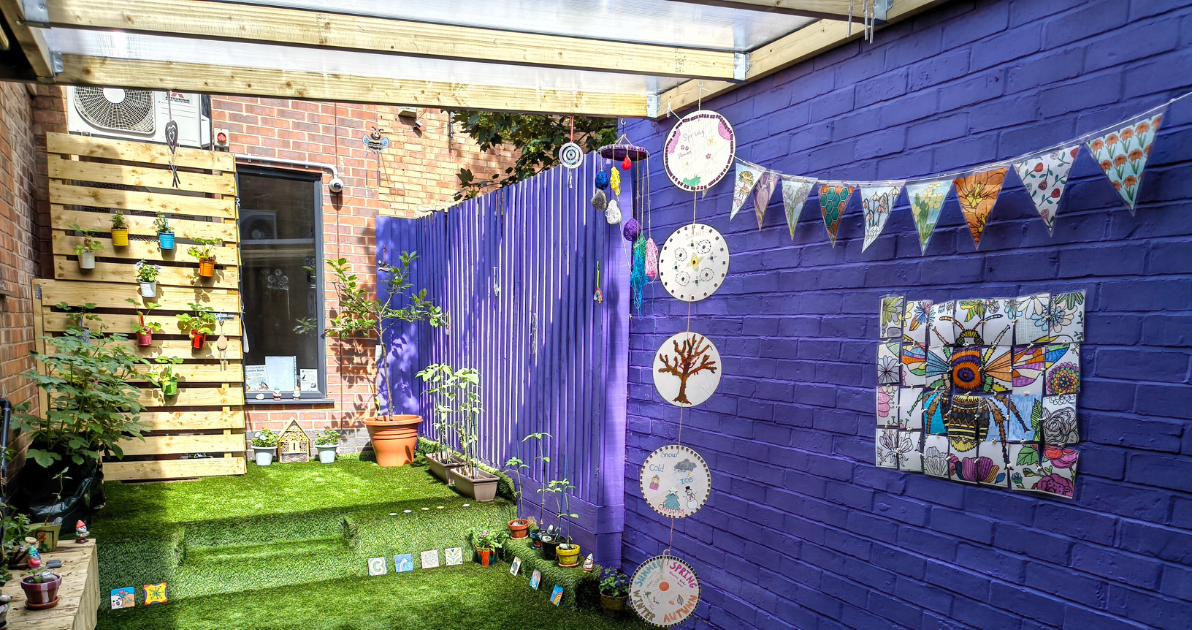
Outdoor learning beyond the classroom
The Spark Garden is a strong example of outdoor learning at Spark Vale Academy. It gives pupils the opportunity to learn through real experiences, practical tasks and meaningful routines.
Outdoor learning can be especially powerful for pupils with SEND because it allows them to experience learning in a calm, purposeful and sensory-rich environment. Pupils can move, observe, touch, smell, talk, listen, create and take part in tasks that feel connected to the real world.
In the garden, pupils are not just learning about plants and nature. They are learning how to care for something, how to follow routines, how to work alongside others and how small actions can lead to visible progress over time.
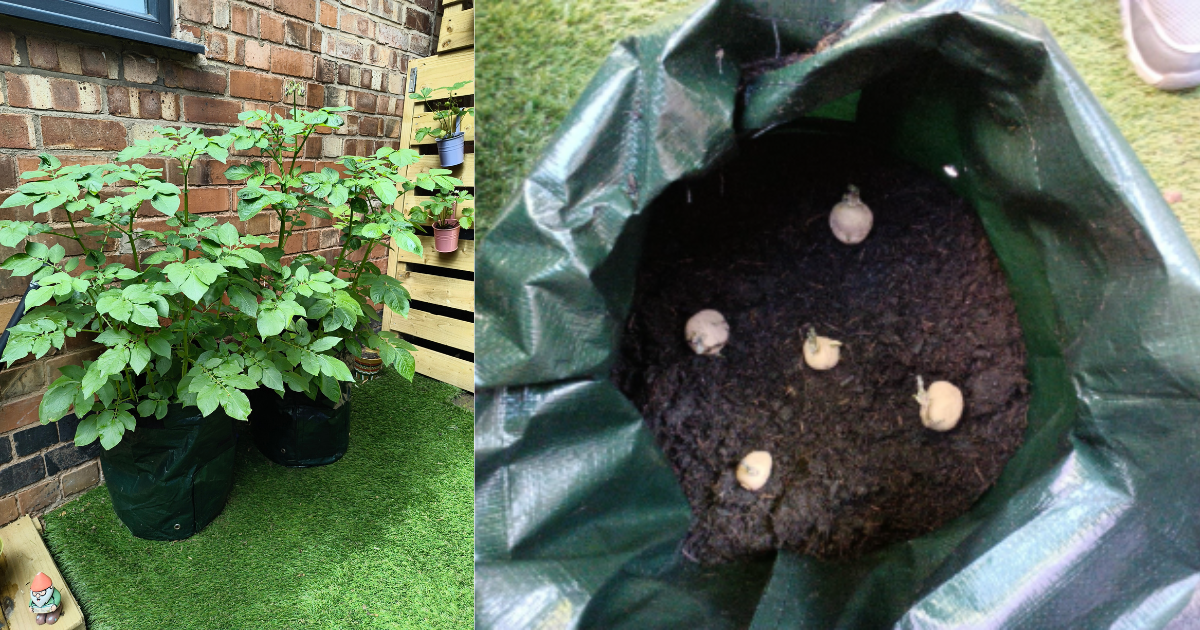
Science in action: plants, growth and living things
The Spark Garden gives pupils the opportunity to experience Science in a real and memorable way.
Pupils have been able to observe plant anatomy, how plants grow, what they need to stay healthy and how the environment affects living things. Planting an apple tree, growing potatoes and caring for flowers and house plants helped pupils explore important scientific ideas such as growth, roots, stems, leaves, water, sunlight, seasons and change over time.
Instead of learning about plants only through books or worksheets, pupils were able to see and care for them directly. They could notice what changed each week, talk about what the plants needed and understand that living things require care, time and attention.
This kind of practical Science helps pupils become curious, observant and confident learners. It also helps them connect scientific knowledge to everyday life.
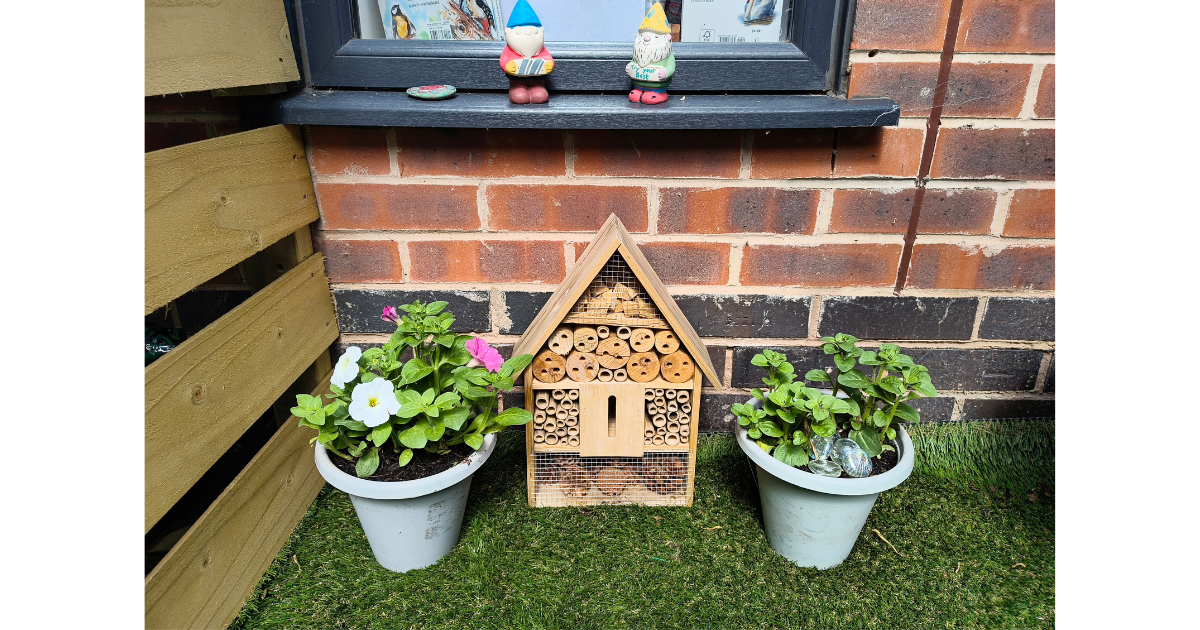
Life skills: responsibility, care and independence
The garden has also supported Life Skills learning in a very practical way.
Each pupil planted a house plant and learned how to take care of it. This helped pupils practise responsibility, routine, patience and independence. Caring for a plant involves remembering to water it, noticing when it needs attention and understanding that our actions can help something grow.
These are important skills for adulthood. Through gardening, pupils practise following instructions, using tools safely, taking turns, making choices, completing tasks and caring for their environment.
The Spark Garden also gives pupils opportunities to experience success. For some learners, seeing a plant grow because they helped look after it can be a powerful and confidence-building moment.
Personal Development through outdoor learning
The Spark Garden is also a strong example of Personal Development in action.
At Spark Vale Academy, Personal Development is not limited to one lesson. It happens through relationships, routines, community, enrichment, pupil voice, creativity and real-world experiences.
The garden supports pupils to develop confidence, resilience, emotional regulation and a sense of belonging. Outdoor learning can feel calming and purposeful for many learners. It gives pupils space to observe, reflect, move, talk, create and take part in a shared project.
Gardening also teaches patience. Plants do not grow instantly. Pupils learn that some things take time, care and consistency. This is an important lesson for learning, relationships and personal growth.
The garden helps pupils see themselves as contributors. They are not only using the school environment; they are helping to shape it.
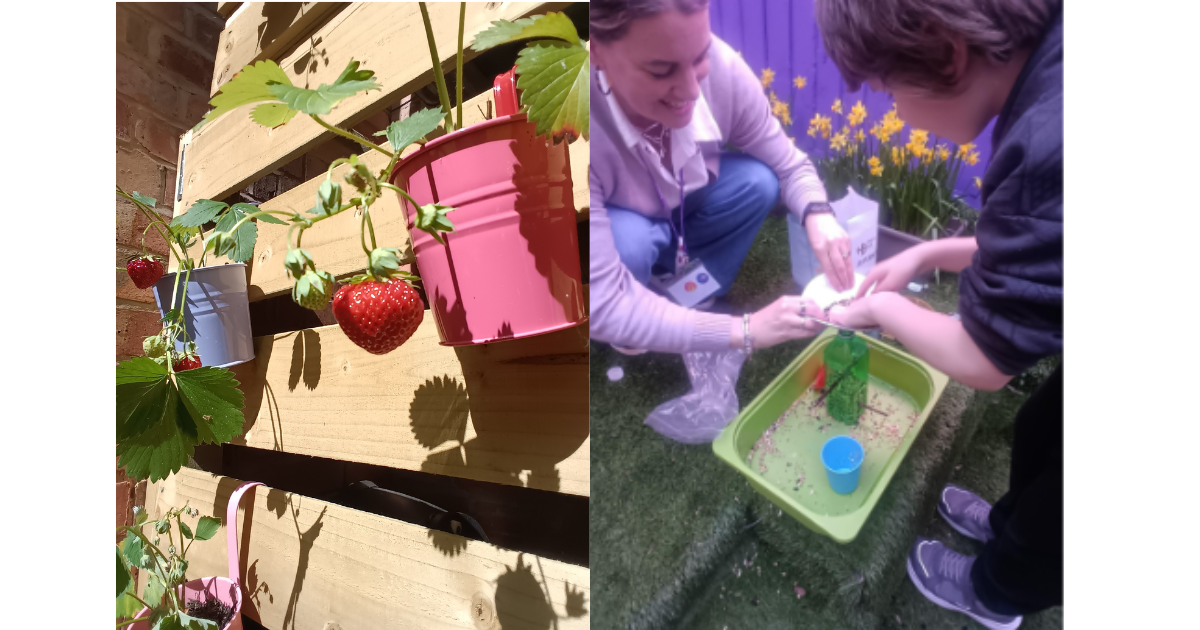
Sustainability and caring for the environment
Pupils also made bird feeders using recycled bottles. This linked the garden to sustainability, recycling and care for wildlife.
By reusing bottles, pupils were able to see how everyday materials can be given a new purpose. They also learned that small actions can help birds and support the natural environment.
This gave pupils opportunities to think about environmental responsibility, looking after nature and making positive choices. It also helped them understand that caring for the world around us can begin with simple, practical actions.
Creativity in the garden
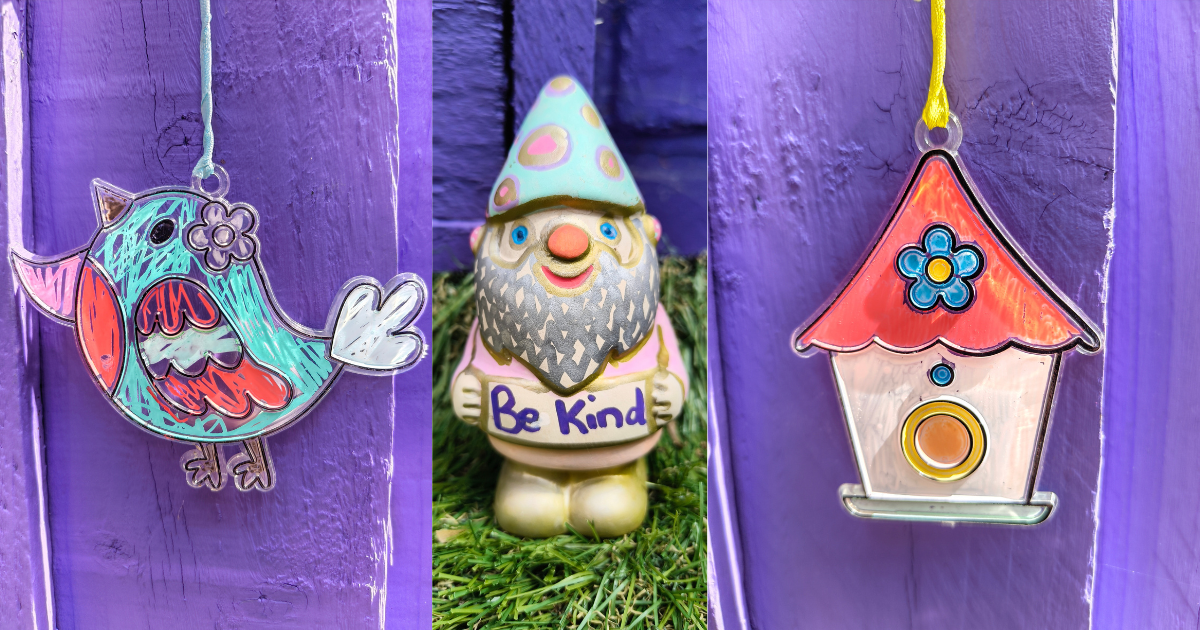
The Spark Garden has not only supported Science and Life Skills. It has also become a place for creativity.
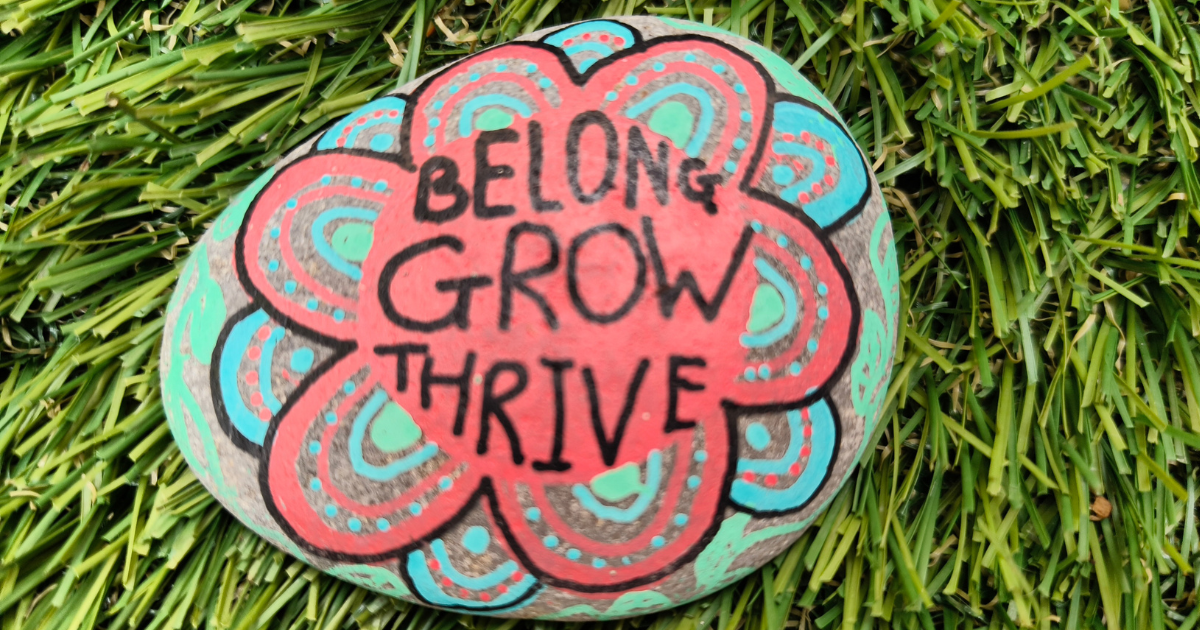
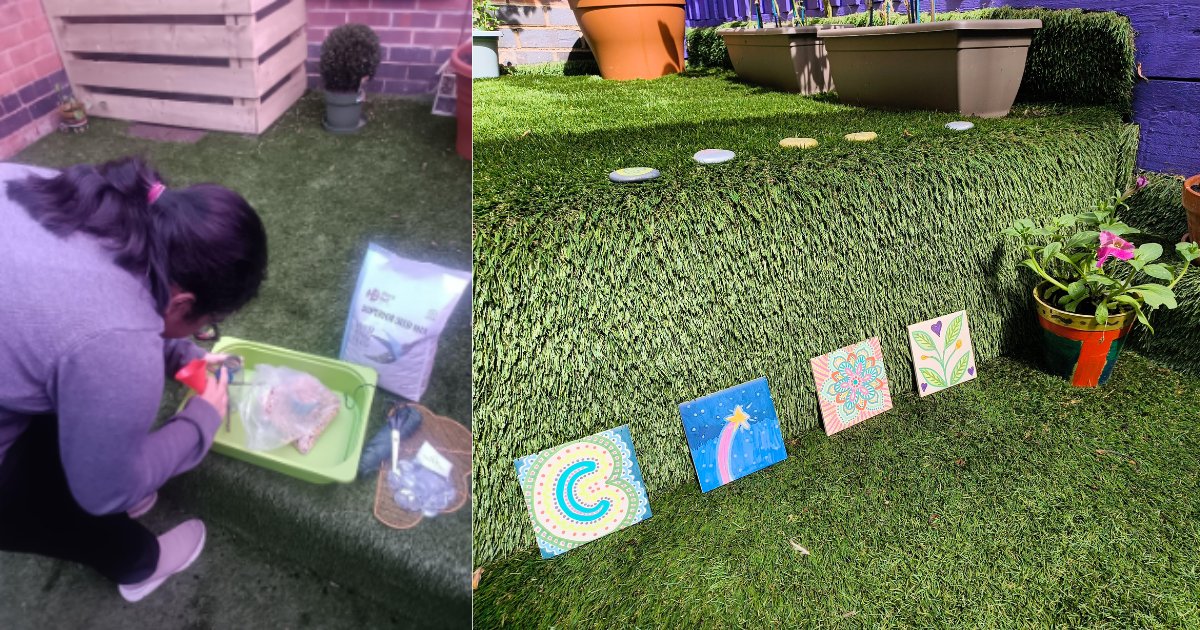
Pupils made art for the garden, helping to make the space feel personal, colourful and welcoming. This gave learners the chance to express themselves, make choices and contribute visually to the school environment.
Creative work in the garden supports confidence, communication and pride. When pupils see their artwork displayed in a shared space, it reinforces the message that their ideas matter and that they belong.
Maths and communication in the garden
The Spark Garden also creates natural opportunities for Maths and communication.
Pupils can count plants, compare sizes, notice shapes, measure growth, talk about time, sequence steps and use positional language such as next to, behind, in front of and beside.
They can also practise communication by naming plants, describing what they see, talking about what has changed and explaining what a plant might need.
This helps pupils see Maths and language as useful tools in everyday life. The garden becomes a real-world setting where learning feels purposeful and connected.
Learning beyond the classroom
The Spark Garden brings together many areas of the Spark Vale curriculum in one meaningful space.
Through Science, pupils learn about plants, growth, living things, seasons and the natural world.
- Through Life Skills, pupils practise responsibility, care, independence, routines and safe use of tools.
- Through Personal Development, pupils build confidence, patience, resilience, regulation and belonging.
- Through sustainability learning, pupils explore recycling, wildlife and caring for the environment.
- Through Art, pupils express creativity and contribute to the school space.
- Through Maths, pupils apply counting, measuring, comparing, sequencing and noticing patterns.
- Through communication, pupils develop vocabulary, observation, discussion and confidence sharing ideas.
This is what meaningful learning looks like at Spark Vale Academy: practical, supported, creative and connected to real life.
How families can extend this learning at home
Families can help pupils build on this learning at home through small gardening or nature-based activities.
This could include watering a house plant, planting seeds in a pot, growing herbs on a windowsill, noticing flowers or trees on a walk, feeding birds safely, reusing materials for a simple craft activity, or talking about what plants need to grow.
Families could ask questions such as:
Even a small plant on a windowsill can become a meaningful learning opportunity. These simple activities help pupils connect school learning with home, build responsibility and develop confidence caring for living things.